What MAT Certified Means for Full-Body Performance
MAT Certified means a practitioner has completed specialized training in Muscle Activation Techniques, a system that evaluates and improves how muscles contract, stabilize joints, and contribute to movement. For full-body performance, MAT can help identify weak or inhibited muscles, restore efficient activation, and create a better foundation for training, recovery, and everyday activity.
What does MAT Certified mean?
A MAT Certified practitioner has studied a structured approach to assessing muscular function and addressing inefficient muscle activation. The certification indicates training in identifying muscles that may not be responding appropriately during movement, then applying specific techniques designed to improve their neurological connection.
MAT is not simply massage, stretching, or strength training. It focuses on the relationship between the nervous system and the muscles responsible for stability and controlled movement. A practitioner may assess how a joint moves, test individual muscles, and compare responses on one side of the body with the other.
The goal is not to force a muscle to work harder. It is to help the body recognize and use the muscle more effectively.
How does Muscle Activation Technique work?
Muscle Activation Techniques, often shortened to MAT, generally follows an assessment-and-activation process:
- Movement and muscle assessment: The practitioner observes movement and tests specific muscles or joint positions.
- Identification of inhibited muscles: Testing may reveal muscles that are not producing a strong or consistent contraction.
- Targeted activation: The practitioner uses precise manual input and controlled contractions to stimulate the muscle.
- Retesting: The muscle and movement are checked again to evaluate the response.
- Integration into activity: The improved activation may then be practiced through appropriate movement or exercise.
This process gives the session a practical feedback loop. Rather than assuming which area needs attention, the practitioner evaluates the body, applies a targeted strategy, and checks whether function changes.
Why can muscle activation affect full-body performance?
Efficient performance depends on more than muscle size or effort. The body must coordinate muscles in the right sequence while maintaining joint control. If one muscle is not contributing effectively, other muscles may compensate. Over time, compensation can affect balance, technique, range of motion, and perceived effort.
Improving activation may support:
- Better joint stability during exercise and daily movement
- More coordinated strength and power production
- Improved awareness of how the body moves
- A stronger foundation for mobility and conditioning
- More efficient training patterns
MAT does not replace strength training. Instead, it may help prepare the body to perform strengthening exercises with better control and awareness.
What happens during a MAT session?
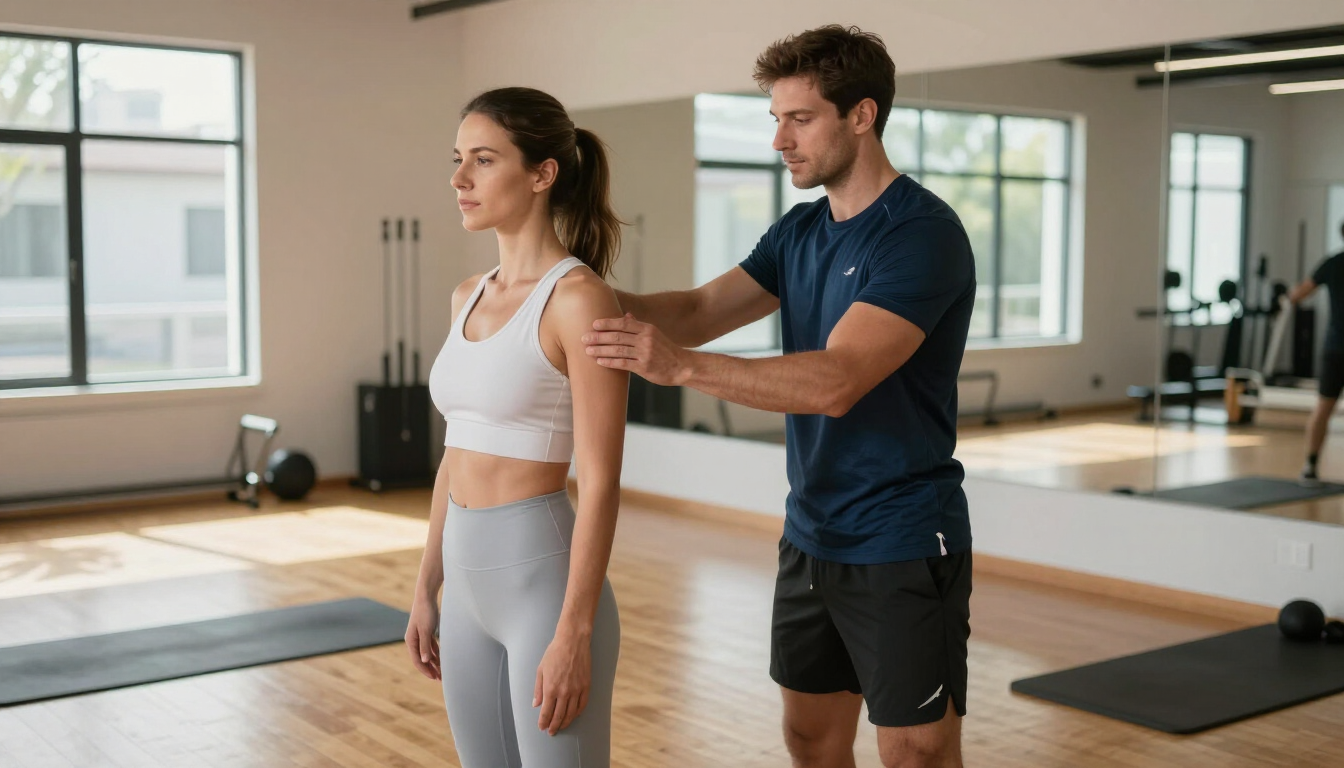
A session typically begins with a conversation about goals, activity levels, previous injuries, and movement concerns. The practitioner may then perform muscle tests and movement assessments while explaining what they are observing.
Testing is usually specific. Rather than evaluating the body only as a single unit, the practitioner may examine individual muscles, joint positions, and movement relationships. This can help reveal differences that are not obvious during a general workout.
If a muscle appears inhibited, the practitioner applies targeted manual techniques and asks the client to perform controlled contractions. The area is then retested. Depending on the findings, the session may address several regions that influence one another, such as the hips, trunk, shoulders, or feet.
After activation work, the practitioner may recommend simple movements to reinforce the new pattern. These exercises are usually selected according to the person’s current ability and goals.
Who may benefit from a MAT Certified practitioner?
MAT may be useful for active adults who want to improve movement quality, maintain consistency in training, or better understand why certain patterns feel difficult. It can be considered by people who:
- Notice recurring compensation during exercise
- Feel unstable or disconnected in a particular movement
- Want a more individualized performance assessment
- Are returning to activity after a break or physical setback
- Want to improve foundational movement before increasing training intensity
The approach may be relevant to recreational athletes, busy professionals, strength-training clients, runners, and adults who simply want to move with more confidence.
A qualified practitioner should also recognize when a concern requires another type of care. MAT is not a diagnosis or a replacement for medical evaluation. Persistent pain, sudden weakness, numbness, or an acute injury should be discussed with an appropriate healthcare professional.

How does MAT fit into a full-body performance plan?
The most useful performance plans connect assessment, activation, exercise, and recovery. MAT can serve as one part of that process by providing information about how muscles are functioning before a client progresses to more demanding work.
For example, a practitioner may combine MAT with:
- Muscle testing and movement analysis to study movement quality and coordination
- 3D Body Scan and Posture Analysis to review posture and body alignment
- VO2 Max and Metabolic Testing to understand aerobic capacity and energy needs
- PNOE Breath Analysis to examine breathing and metabolic responses
- Individualized personal training and progressive strength work
These services answer different questions. MAT looks closely at muscular activation and neuromuscular control, while other assessments may examine posture, cardiovascular fitness, breathing, or metabolic function. Together, they can create a more complete picture of performance.
MAT certification versus general personal training
A personal trainer is typically focused on exercise selection, programming, technique, and progression. A MAT Certified practitioner brings an additional specialization in evaluating muscle activation and neuromuscular function.
The two roles can complement one another. A trainer may design a program to build strength and conditioning, while MAT-informed assessment may help identify movement limitations that should be addressed first or monitored during progression.
When choosing a practitioner, ask:
- What certification and training have they completed?
- How do they assess muscle function?
- How do they retest or measure changes during a session?
- How will findings influence my exercise plan?
- When should I seek medical or rehabilitative care instead?
Clear answers can help you understand whether the service matches your goals.
What results should you expect from MAT?
Responses vary because every person’s movement history, training background, and nervous-system response is different. Some clients may notice a change in muscle awareness, stability, or movement control during the first session. Others may need repeated assessment and practice to build consistency.
MAT should be viewed as a process rather than a guaranteed quick fix. Progress may involve improved control during a squat, lunge, overhead movement, gait pattern, or sport-specific task. The most meaningful outcome is usually not how a person feels immediately after a session, but whether they can use improved movement quality in real activity.
Results are more likely to last when activation work is paired with appropriate exercises, regular practice, sufficient recovery, and realistic progression.
How can you decide if MAT is right for you?
Start by defining the problem you want to solve. If your goal is to understand a recurring movement compensation, improve stability, or establish better control before increasing training demands, a MAT assessment may be a useful next step.
Look for a practitioner who:
- Explains the assessment in plain language.
- Connects findings to your daily activities or training goals.
- Uses retesting rather than making unsupported promises.
- Works within an appropriate professional scope.
- Gives you practical steps to reinforce the session.
You can learn more about Muscle Activation Techniques (MAT) or contact a body and MAT practitioner to discuss your goals in Downtown Tampa, Channelside, Tampa, and nearby areas.
Key takeaways
- MAT Certified means the practitioner has specialized training in assessing and improving muscle activation.
- MAT focuses on neuromuscular control, joint stability, and efficient movement—not just flexibility or strength.
- Assessment, targeted activation, retesting, and movement practice are central to the process.
- MAT can complement personal training, posture analysis, metabolic testing, and movement analysis.
- The best next step is to match the assessment with your goals and choose a practitioner who communicates clearly.
For active adults, MAT can provide a more informed starting point for full-body performance. It is especially relevant when movement feels uneven, unstable, or inefficient, or when progress has stalled despite consistent effort. Review your goals, ask how the practitioner evaluates change, and consider how activation work would fit into your broader training plan. Used appropriately, MAT can help connect assessment with practical movement so you can train with greater awareness, control, and confidence.